

Algae Calcium
Lithothamnion Calcareum
Algae are a diverse group of aquatic organisms found in various marine and freshwater environments. Some species of algae can absorb and accumulate minerals, including calcium, from their environment.
​
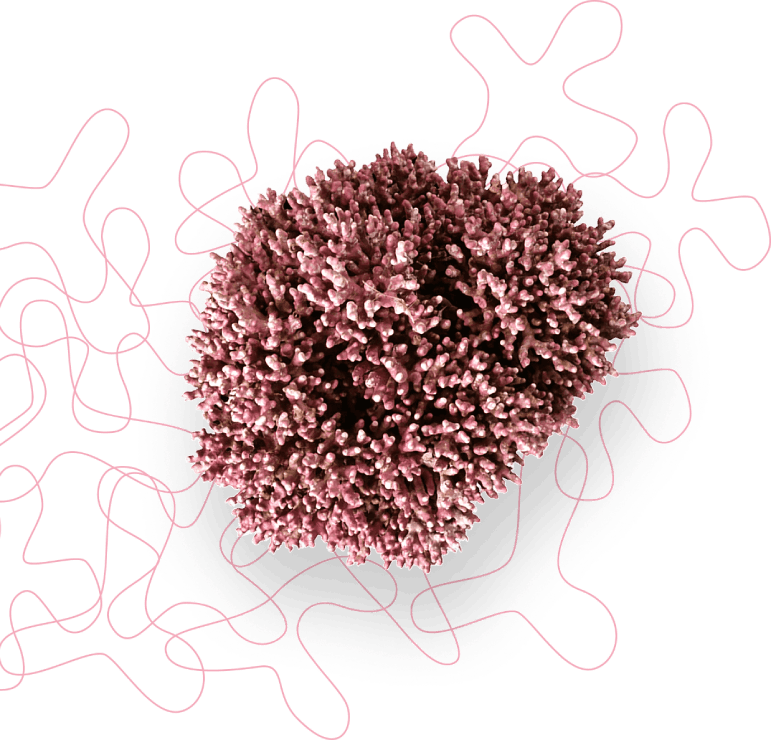
Algal calcium is typically derived from calcified remains of marine algae, such as Lithothamnion Tophiform, a type of red algae found in the North Atlantic Ocean.
​
These algae extract minerals from the sea to form a calcified structure which it lives on. In time this structure forms a thick layer of calcified remains with only the top layer having any living algae.
​

Calcified structure of the red algae Lithothamnion Tophiform.
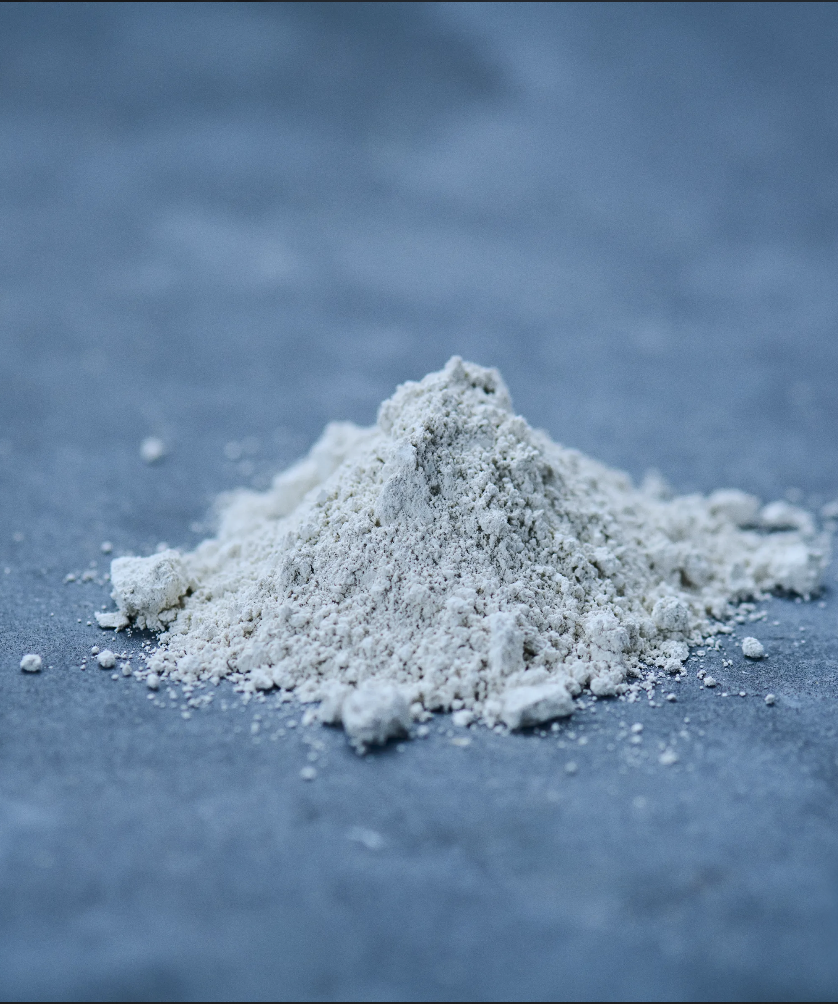
These calcified remains of the algae, often called Lithothamnion Calcareum, can be sustainably harvested, cleaned, and dried before being milled into a fine powder that can be used to fortify foods and drinks and as a dietary supplement.
​
The calcified structure of the algae forms in a characteristic honeycomb shape which may assist with the biosolubility of the minerals found in the calcified algae.

Surface electron microscope image of calcified algae. The characteristic honeycomb structure can be seen where each hole is only a few micrometers in diameter.
​One added benefit of calcium from algae, besides being a natural, biogenic source, is that it contains other minerals and trace elements, such as magnesium and boron, that are important for bone health.
Algae calcium supplements are a high-quality alternative to traditional calcium supplements, such as calcium carbonate or calcium citrate, which are often produced from raw materials extracted from non-renewable sources with negative environmental impacts.
​
Several studies have suggested that calcium supplements derived from algae may have advantages over other forms of calcium supplements in terms of bioavailability, support for bone health, and even the restoration of bone density.
Quahog Clam Shells
Arctica Islandica
The shells of the ocean quahog (Arctica Islandica) are composed mainly of calcium carbonate, commonly found in seashells and other skeletal structures of marine animals, with trace amounts of magnesium, strontium, and other minerals.
​
Calcium is an essential mineral for bone health, muscle function, and other critical bodily functions. The high percentage of biogenic calcium in the quahog clam shell makes it a valuable source of calcium for human bone health, while magnesium and strontium are also essential minerals for overall health.
​
While the absorbance of calcium carbonate from limestone is generally considered low, the unique mineral composition and crystal structure of the calcium mineral, due to its biogenic origin from quahog clam shells, help the human body to absorb and use the calcium. Supplementing with finely milled quahog clam shells may therefore help support bone health by providing a readily usable source of calcium for bone remineralization.
​
Our quahog clam shells are also sourced sustainably, as confirmed by the Solar Impulse Foundation. This makes our marine calcium a high-quality alternative to traditional calcium supplements, usually derived from non-renewable resources with a higher environmental impact.